About This Book
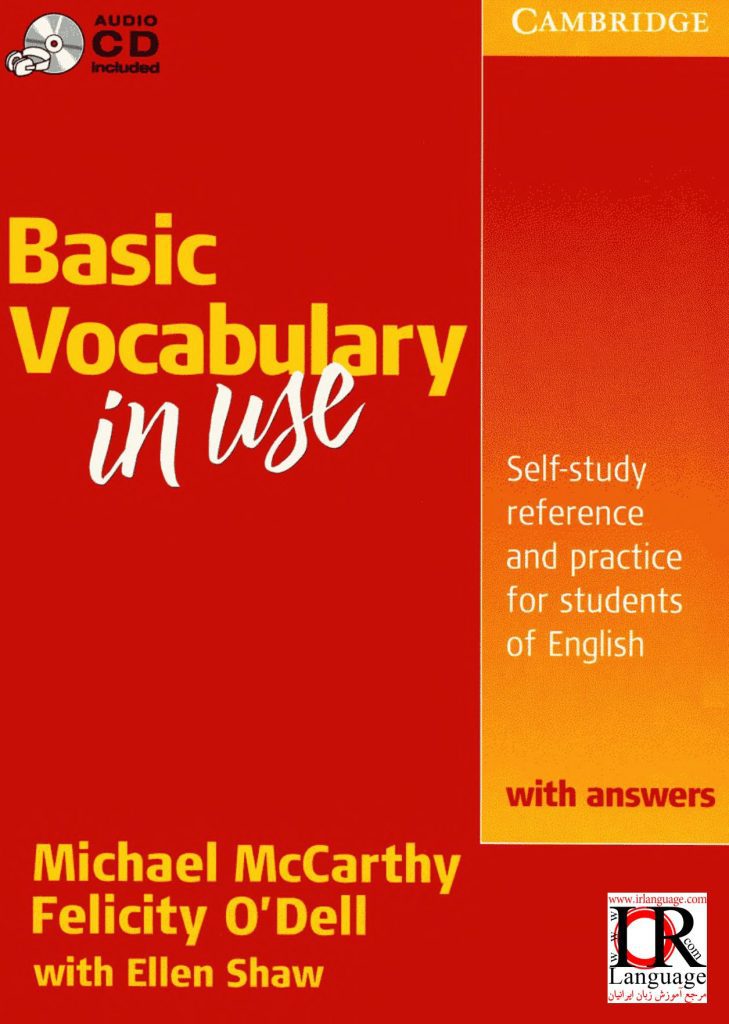
Basic Vocabulary In Use With Answers Book is the basic level of the Vocabulary in Use family, in its with-answers form. The destination page is headed with this post’s exact title, and the file it serves, ‘Basic Vocabulary in Use with Answers Students Book.pdf’, carries the same book in its fuller students-book filename — the same volume under the filename the site serves it by. (Its shelf-mate post presents the identical volume under the fuller title; this copy is judged on its own destination, which serves the book itself.) The book’s work is the beginning done properly: core English vocabulary presented in use, practised, and checkable against bound-in answers.
Beginnings are engineering problems disguised as easy ones. The first thousand words a learner meets will carry ninety percent of everything they ever say, so their teaching deserves the family’s best design — and receives it: words inside situations rather than lists, practice that produces rather than recognizes, answers that let a solitary learner verify tonight’s work tonight. The plain title of this copy is honest advertising. Nothing here is dressed up; the glamour is in the results, in the beginner who discovers after some weeks that the language has quietly become theirs at the base. Teachers of first levels recognize the type: the book that survives the school year in backpacks, its spine cracked at the units the class loved, its margins full of the student’s own example sentences — the surest sign a vocabulary book has done its work, because a word the learner has used about their own life is a word that stays.
What Learners Will Practise
Words Inside Situations
Learners practise the basic vocabulary where it lives — in phrases, routines, and small real exchanges. A word learned in its habitat needs no translation crutch later.
The Tonight Loop
The book practises attempt-and-check on the same evening, against its bound-in answers. Delay is the beginner’s silent tax; this design abolishes it.
Personal Sentences
Readers practise turning each unit’s words into sentences about their own lives. Ownership is a memory technique disguised as homework.
Key Features
The answers-bound foundation is the feature: the family’s self-study design at level one. The in-use presentation is the second — situations before lists — and the shelf fit the third, this plain-named copy beside this list’s students-book copy and elementary vocabulary. On this shelf it starts the shelf here.
Who This Book Is For
Genuine beginners are its first audience, starting tonight. Returners form its second readership, repairing shaky bases. First-level teachers make its third, needing homework that teaches itself.
How to Use This Book
Begin at the beginning — level one’s order is deliberate, each unit spending the words the last one bought. Write one personal sentence per word group and keep them; your notebook becomes the book’s second half. Check answers the same evening, always; tomorrow’s checking is half as instructive.
Related Books
The students-book copy stands at Basic Vocabulary in Use with Answers Students Book, and the elementary vocabulary at English Vocabulary in Use Elementary.