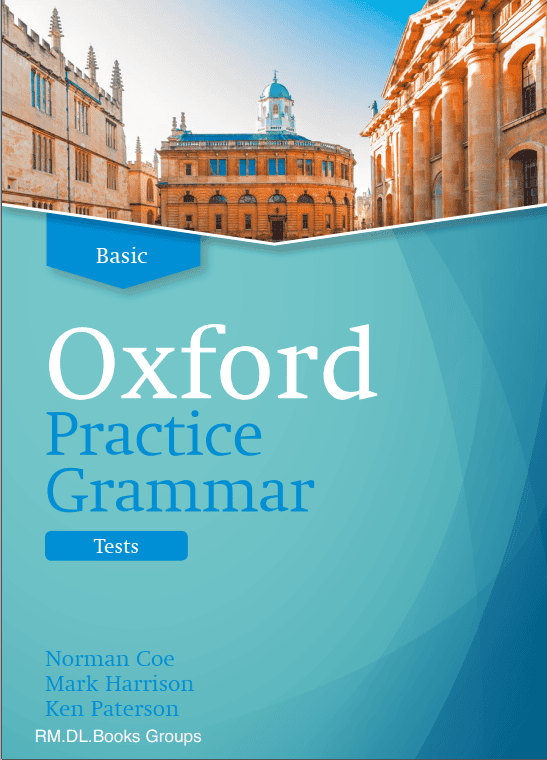
About This Book
Oxford Practice Grammar Basic Tests Book is the basic-level tests book of the Oxford Practice Grammar family. The destination page is headed with this post’s exact title, and the file it serves, ‘Oxford practice grammar basic tests.pdf’, carries the same name in the host’s casing — the same volume under the filename the site serves it by. The book’s work is measurement at the basic level: grammar tested in examination form, so students and teachers can see exactly what the level’s study has banked.
Every course needs an honest mirror, and a tests book is grammar’s. Study produces a warm feeling of familiarity — the page looks known, the rule looks obvious — but familiarity is a notoriously unreliable witness, and only a test cross-examines it. The basic level is where this matters most, because every later level is built on its evidence: an untested basic is a rumour, and curricula founded on rumours collapse two floors up. A well-made tests book therefore does three kindnesses disguised as severity. It localizes weakness precisely, so revision becomes surgery rather than re-reading everything. It rehearses the examination’s form, so the real day holds no procedural surprises. And it certifies success credibly — a passed test at the proper standard is the one compliment a student cannot argue with. Teachers use such books as instruments, students as sparring partners, and both are right. The Oxford name on the cover sets the standard the mirror must meet: a test easier than the level it certifies would be a flattery machine, and flattery, in assessment, is fraud.
What Learners Will Practise
Ownership Under Examination
Learners practise producing the level’s grammar with the book closed and the clock visible. Ownership is what remains when recognition is withdrawn.
Reading One’s Own Results
The book practises interpreting a score as a map — which structures held, which folded. A result read well is a revision plan already written.
Exam-Form Familiarity
Readers practise the formats and timings of real assessment at basic scale. Procedural calm is a measurable score advantage, and it is trainable.
Key Features
The honest mirror is the feature: measurement that familiarity cannot fake. The precise localization is the second — weakness found to the structure — and the shelf fit the third, the basic exam beside this list’s usage reference and primary maths summit. On this shelf it holds the mirror here.
Who This Book Is For
Basic-level students ready to be measured are its first audience. Teachers form its second readership, needing diagnosis over impression. Self-studiers make its third, checking the level before climbing.
How to Use This Book
Test before you revise, not after — diagnosis first, treatment second. Mark in two colours: what failed, and what merely felt unsure; the second list predicts next month’s failures. Re-test the failed structures after a week, not a day; spacing is what separates memory from echo.
Related Books
The practice reference stands at Practical English Usage Book, and the sixth maths book at Progress In Mathematics Book 6.