About This Book
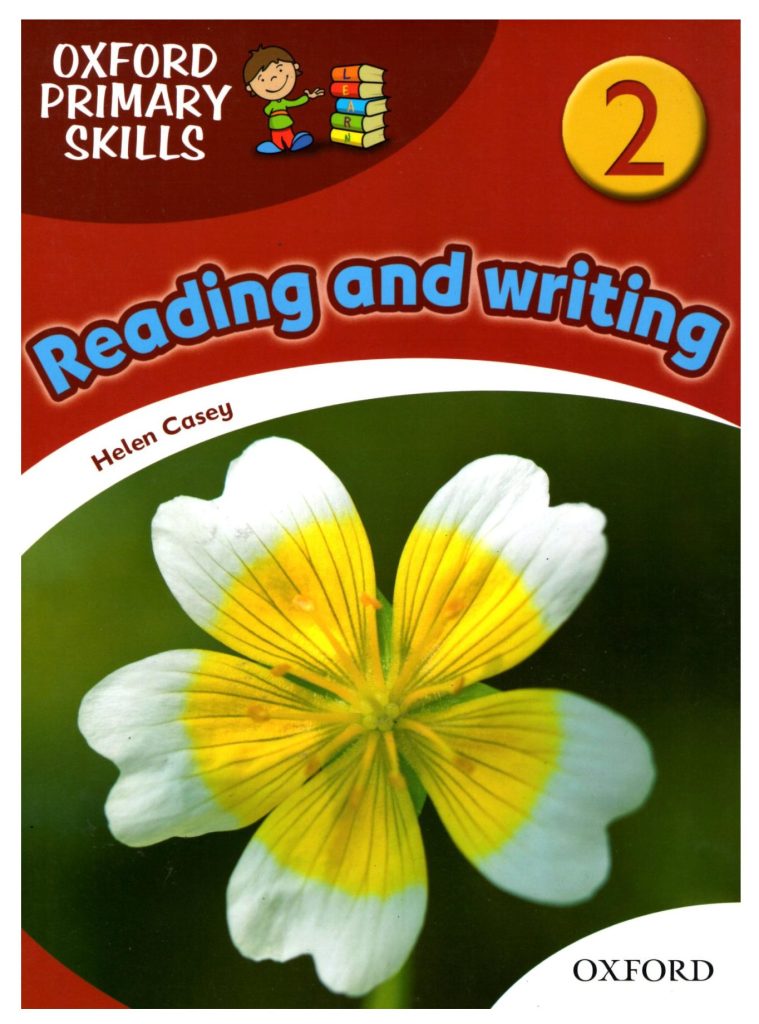
Oxford Primary Reading And Writing Student’s Book 2 is the second student’s book of the Oxford Primary Reading and Writing course. The destination page is headed with this post’s exact title, and the file it serves, ‘Oxford Primary Reading and Writing 2.pdf’, carries the same course and level under the shorter series filename — the same volume under the filename the site serves it by. The book’s work is the loop’s deepening: richer reading, braver writing, and the first unmistakable signs of a child’s own manner on the page.
Voice is a suspicious word in primary education — it sounds like something children either have or lack — but a read-write course knows better: voice is what imitation becomes when the borrowings start being chosen. Book Two is where the choosing starts. The models widen — stories with turns, descriptions with weather, letters with purposes — and the writing tasks stop asking only ‘can you do it like this?’ and begin asking ‘which way will you do it?’ Teachers watch for the first idiosyncrasies with the pleasure of gardeners: the child who always adds a sound effect, the one whose sentences run long and breathless, the minimalist. None of these are errors; they are signatures forming. The reading side matters equally — a second year of worthy models stocks the inner library the child’s writing will draw on for life, which is why the pairing, rather than either skill alone, remains the design. The loop’s second turn is where literacy stops being a school subject and starts being a person’s equipment.
What Learners Will Practise
Choosing the Borrowing
Learners practise selecting which model phrases to lift and which to leave — the first editorial act. Voice begins as taste, and taste begins as choosing.
Writing With Intentions
The book practises pieces that aim at effects — amuse, describe, persuade a little. Writing with a target teaches more per page than writing for completion.
Stocking the Inner Library
Readers practise reading richly and widely within the course’s models. Every text read well becomes capital the child’s future writing can spend.
Key Features
The ripening design is the feature: imitation deliberately loosening into voice. The widened models are the second — stories, descriptions, letters with purposes — and the shelf fit the third, the loop’s second turn beside this list’s first volume and international course. On this shelf it finds the voice here.
Who This Book Is For
Primary students returning for the loop’s second year are its first audience. Teachers form its second readership, raising the writing’s ambitions. Parents make its third, now keeping the compositions.
How to Use This Book
Ask ‘which way will you write it?’ before tasks, not only ‘what will you write?’ Protect early idiosyncrasies — correct the spelling, keep the sound effect. Display finished pieces where the family reads; an audience turns exercises into publications.
Related Books
The first volume stands at Oxford Primary Reading And Writing Student’s Book 1, and the international approach second book at English An International Approach Student’s Book 2.