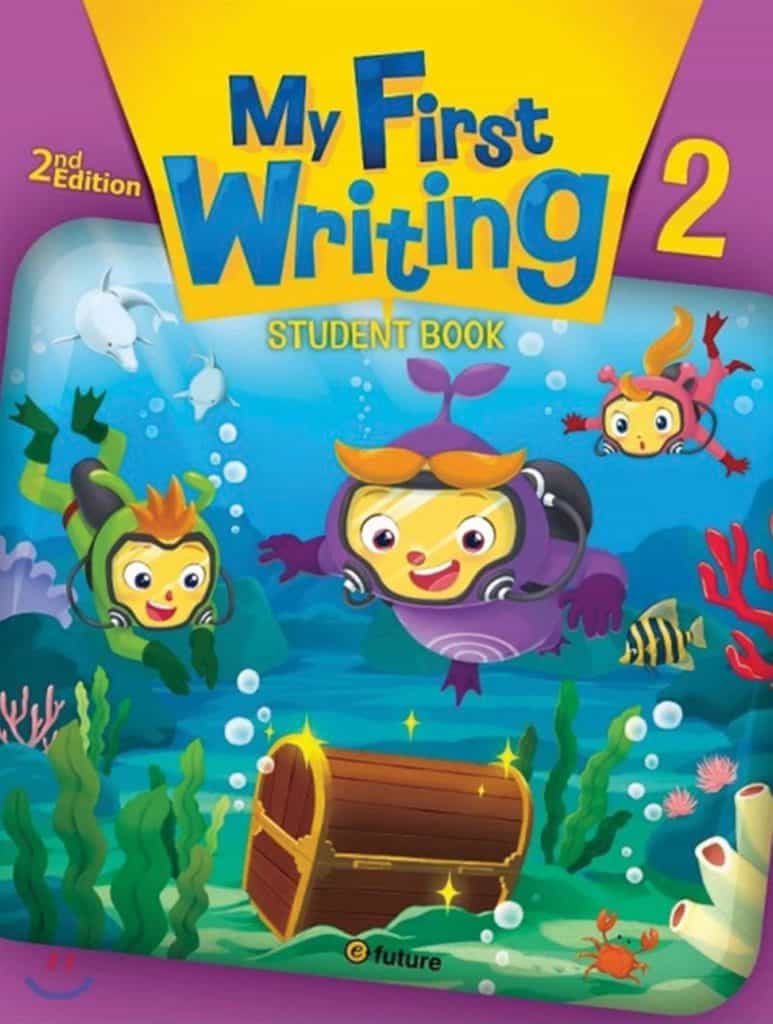
About This Book
My First Writing Student Book 2 is the second student book of the My First Writing course. The destination page is headed with this post’s title in the host’s download form, and the file it serves, ‘My First Writing Student Book 2.pdf’, carries the same name exactly — the same volume under the filename the site serves it by. The book’s work is the first writings continued: guided compositions at a slightly larger scale, in the student’s own kept copy, where improvement becomes visible page over page.
Improvement is the great motivator nobody can fake, and a kept student book is its perfect instrument. In Book 2 the child can literally hold last year’s hand beside this year’s and see the distance travelled — the lines straighter, the sentences braver, the endings actually attempted. Course designers know this backward flip is worth a term of encouragement speeches, which is why the series keeps the same possessive promise: still my book, still my writing, only better. The pieces themselves grow in the ways that matter at this stage — more than one paragraph’s ambition, a beginning that knows it is a beginning, details chosen rather than listed. Teachers lengthen carefully here, because the second book’s other lesson is stamina: finishing a longer piece teaches a child something about themselves that no short success can — that they are the kind of writer who finishes things. That identity, once installed, transfers far beyond writing lessons. It is, in the end, the course’s real subject.
What Learners Will Practise
The Backward Flip
Learners practise comparing current pages with Book 1’s, reading their own growth. Visible improvement is self-administered motivation; the book is its dispenser.
Beginnings That Know It
The book practises opening lines written on purpose — hooks, settings, promises to the reader. A deliberate opening is the first truly authorial act.
Finishing Longer Pieces
Readers practise sustaining a piece past the comfortable length and landing it. Stamina is a writing skill, and it is only ever built by finishing.
Key Features
The kept-copy continuity is the feature: one child’s progress, bound and comparable. The deliberate openings are the second — authorship entering by the front door — and the shelf fit the third, the second first-writing beside this list’s first and third volumes. On this shelf it outgrows the first here.
Who This Book Is For
Young writers continuing the course are its first audience. Teachers form its second readership, lengthening pieces with care. Parents make its third, comparing the years.
How to Use This Book
Start with the backward flip: read three Book 1 pieces aloud together and name what is easier now. Keep pieces whole — do not tear out the wobbly pages; they are the before pictures the after needs. End each piece with one line the writer chooses as their best, and star it.
Related Books
The first volume stands at My First Writing Student Book 1, and the third at My First Writing Student Book 3.